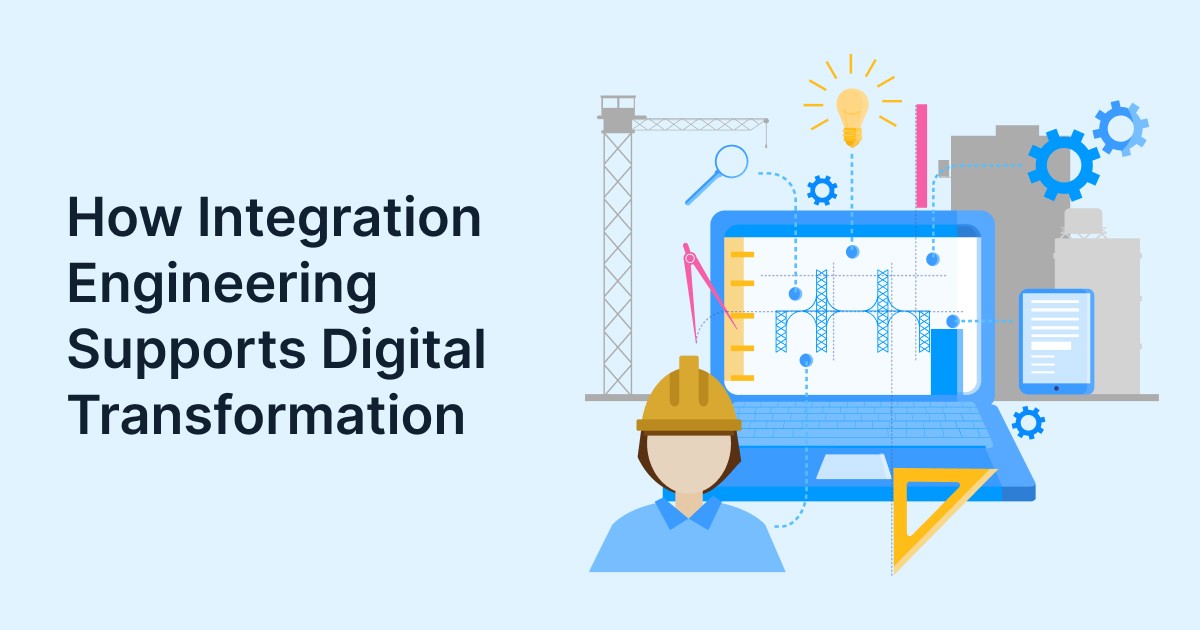
To achieve successful digital transformation, organisations need digital integration engineering that connects applications, automates workflows & ensures seamless data flow across systems. It eliminates silos, strengthens system connectivity & enables scalable digital transformation integration across modern and legacy environments.
Digital transformation is often seen as a technology upgrade, but it is a structural shift in how businesses operate, deliver value & engage with customers. However, one of the biggest blockers organisations face is disconnected systems and fragmented data. Without a solid integration layer, transformation efforts become inefficient and short-lived.
This is where digital integration engineering becomes essential. It acts as the backbone of transformation initiatives by aligning systems, processes & data into a unified ecosystem. Businesses that invest in robust integration frameworks not only improve efficiency but also unlock faster innovation cycles.
To understand how enterprise-grade integration can accelerate your transformation journey, explore Ledgesure’s enterprise integration solutions, which are designed to simplify complex system connectivity challenges.
Drive Digital Innovation & Transform Your Business
Struggling to find tailored IT solutions that truly accelerate your digital transformation journey? Partner with LedgeSure to unlock the true potential of technology.
What Is Digital Integration Engineering, and Why Does It Matter?
To build a truly connected digital ecosystem, you need digital integration engineering that ensures all systems communicate efficiently, data flows seamlessly & processes are automated across the organisation.
Digital integration engineering refers to the design, development & management of frameworks that connect applications, databases & services across an enterprise. It combines integration modernization, integration automation & enterprise integration solutions to create a cohesive digital environment.
In practical terms, it ensures that –
- CRM systems sync with marketing tools
- ERP platforms connect with supply chain systems
- Cloud and on-premise applications work together seamlessly
Without it, organisations face delays, data inconsistencies & operational inefficiencies.
How Does Digital Integration Engineering Support Digital Transformation Integration?
To enable effective digital transformation integration, organisations need structured integration engineering that ensures seamless communication between systems, automated workflows & real-time data availability across all business functions.
Integration engineering supports digital transformation in multiple ways –
Connecting Disparate Systems
Most enterprises operate in hybrid environments, combining legacy infrastructure with modern cloud platforms. Integration engineering ensures these systems work together without friction, improving system connectivity and accessibility.
Enabling Integration Automation
Manual workflows slow down digital initiatives. With integration automation, businesses can –
- Automate repetitive processes
- Reduce human errors
- Increase operational speed
Driving Integration Modernization
Legacy systems often limit scalability. Integration engineering facilitates modernization through APIs, microservices & cloud-native architectures.
For example, businesses following a structured approach can avoid costly pitfalls highlighted in this guide on integration modernization mistakes.
Supporting Data-Driven Decision-Making
Integrated systems provide unified data access, enabling real-time insights and more accurate business decisions.
Why Is System Connectivity Critical for Digital Transformation Success?
To achieve meaningful digital outcomes, you need strong system connectivity that allows seamless interaction between applications, ensuring consistent data flow and unified user experiences across all platforms.
System connectivity plays a central role in transformation because disconnected environments create –
- Data silos
- Poor customer experiences
- Delayed decision-making
With robust digital integration engineering, organisations can achieve –
- Real-time dashboards and analytics
- Faster response to market changes
- Improved collaboration across departments
If you’re exploring how platforms enable this connectivity, this blog on how integration platforms connect applications, data, and processes provides a deeper breakdown.
What Are the Core Components of Enterprise Integration Solutions?
To build scalable digital transformation systems, you need enterprise integration solutions that combine APIs, middleware & cloud platforms to ensure seamless communication and flexibility.
Key Components of Integration Architecture
| Component | Description | Business Impact |
| APIs | Enable communication between applications | Foundation of integration automation |
| Middleware | Acts as a bridge between systems | Reduces complexity |
| Cloud Integration Platforms | Connect cloud and hybrid environments | Improves scalability |
| Data Integration Tools | Ensure clean and consistent data | Enables analytics |
| Microservices | Modular architecture approach | Enhances flexibility |
These components collectively support integration modernization and ensure that businesses can scale operations efficiently.
How Does Integration Modernization Accelerate Digital Transformation?
To stay competitive, organisations need integration modernization that replaces outdated systems with flexible, API-driven & cloud-based architectures that support rapid innovation and scalability.
Integration modernization is not just about upgrading technology; it’s about enabling agility. It allows businesses to –
- Transition from monolithic systems to microservices
- Enable API-first development strategies
- Improve system performance and reliability
For organisations planning their transformation journey, following a structured integration modernization roadmap for large enterprises can help avoid disruptions and ensure long-term success.
| 💡 Did You Know?
“Around 70% of digital transformation initiatives fail, often due to lack of integration and unclear strategy, as per a report by McKinsey” |
| Source: https://www.mckinsey.com/capabilities/people-and-organizational-performance/our-insights/unlocking-success-in-digital-transformations |
These insights reinforce the importance of digital integration engineering in driving measurable transformation outcomes.
What Challenges Does Digital Integration Engineering Solve?
To overcome transformation barriers, organisations need integration engineering that eliminates silos, improves interoperability & streamlines workflows across systems.
-
Fragmented IT Ecosystems
Many organisations operate with a mix of legacy systems, SaaS tools, and cloud platforms that do not naturally communicate. This fragmentation leads to duplicated efforts and inconsistent workflows.
How integration engineering helps – Creates a unified integration layer that connects systems through APIs and middleware, ensuring seamless interaction.
-
Data Silos and Inconsistent Information
When departments operate in isolation, critical data becomes fragmented. This results in conflicting reports, poor insights & weak decision-making.
Solution: Integration engineering enables real-time data synchronisation, ensuring a single source of truth across systems.
-
Lack of System Connectivity
Disconnected systems create friction in operations, manually transferring data between platforms leads to delays and errors.
Solution: Establishes strong system connectivity across applications, enabling end-to-end workflows without interruptions.
-
Inefficient Manual Processes
Manual data entry, approvals & reporting processes slow down business operations and increase human error.
Solution: Through integration automation, workflows are streamlined, reducing operational overhead and improving accuracy.
-
Limited Scalability and Flexibility
Legacy systems are often rigid and cannot support growing data volumes or new applications.
Solution: Integration modernization introduces scalable, cloud-ready architectures that adapt to business growth.
-
High Operational Costs
Siloed systems and manual processes increase maintenance costs, resource utilisation & inefficiencies.
Solution: Enterprise integration solutions reduce redundancy, optimise resources & improve cost efficiency.
-
Delayed Innovation Cycles
Without seamless integration, launching new products or services becomes time-consuming due to dependencies between systems.
Solution: Integration engineering accelerates innovation by enabling modular, API-driven development.
By implementing enterprise integration solutions, organisations can streamline operations and improve efficiency while supporting growth.
Key Statistics
“According to BCG’s blog, Organisations with strong integration strategies are 1.5–2x more likely to achieve transformation success”
How Can Organisations Successfully Implement Digital Integration Engineering?
To implement digital integration engineering effectively, businesses need a well-defined strategy that aligns integration goals with business objectives while ensuring scalability and security.
Define a Clear Integration Vision
Start by identifying business goals and aligning integration efforts with transformation objectives.
- What systems need to be connected?
- What outcomes are expected?
This ensures integration efforts deliver measurable value.
Adopt an API-First Approach
APIs act as the backbone of modern integration.
- Enable faster development
- Improve reusability
- Enhance system flexibility
API-led integration ensures that systems can scale as new technologies are introduced.
Invest in Scalable Integration Platforms
Choose platforms that support hybrid and multi-cloud environments.
- Ensure compatibility with legacy and modern systems
- Support high-volume data processing
- Enable real-time integration
Prioritise Integration Automation
Automation is critical for improving efficiency and reducing manual intervention.
- Automate data transfer
- Streamline workflows
- Reduce human errors
This directly enhances productivity across business functions.
Implement Strong Data Governance and Security
Integration increases data flow across systems, making governance essential.
- Define data ownership
- Ensure compliance (GDPR, ISO standards, etc.)
- Implement robust security protocols
Focus on Integration Modernization Continuously
Integration is not a one-time effort.
- Upgrade outdated systems regularly
- Transition to microservices architecture
- Leverage cloud-native capabilities
A continuous modernization strategy keeps systems future-ready.
Build Cross-Functional Collaboration
Integration impacts multiple departments. IT, operations, marketing & finance.
- Encourage collaboration
- Align stakeholders
- Ensure shared accountability
Monitor, Measure, and Optimise
Track performance metrics such as –
- Integration success rates
- Data latency
- System uptime
Use insights to continuously refine and optimise integration performance.
Empower Your Workforce with AI & Automated Innovations
Want to boost efficiency and reduce costs? Explore how LedgeSure’s AI-driven solutions simplify workflows and drive real outcomes.
Key Takeaways
- Digital integration engineering is essential for transformation success
- System connectivity enables real-time operations
- Integration modernization ensures long-term scalability
- Integration automation improves efficiency
- Enterprise integration solutions drive innovation
Conclusion
Digital transformation without integration is incomplete. With the right digital integration engineering strategy, organisations can seamlessly connect systems, automate workflows & unlock the true value of their digital investments.
Whether you’re modernising legacy systems or building a cloud-first architecture, integration is the key to sustainable growth and innovation. Ready to take the next step? Connect with experts at Ledgesure today.